
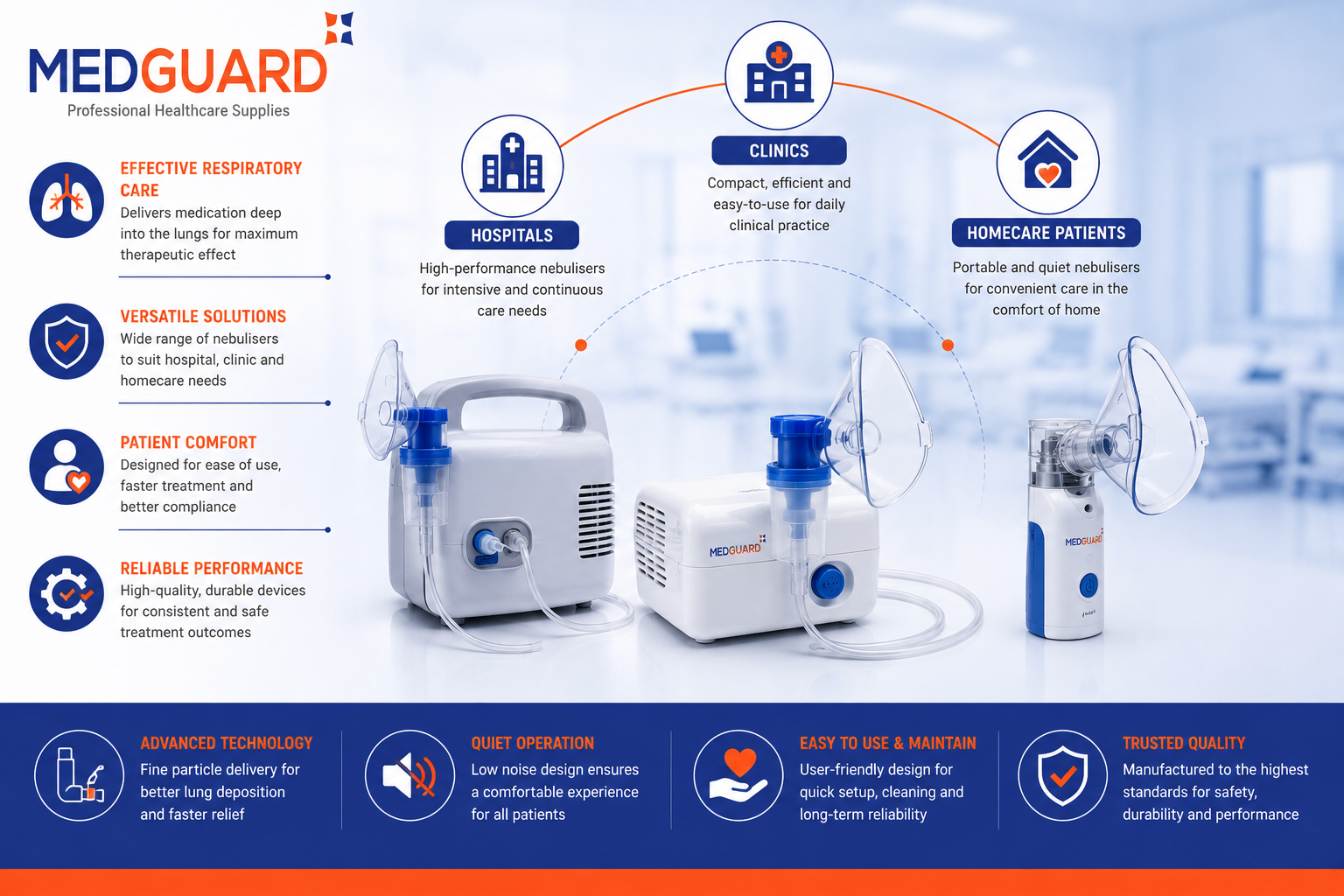
Respiratory care plays a critical role in modern healthcare across Ireland, with hospitals, clinics, nursing homes, and homecare providers relying heavily on nebuliser therapy to manage respiratory conditions such as asthma, chronic obstructive pulmonary disease (COPD), cystic fibrosis, and acute respiratory infections. As demand for respiratory treatment continues to grow, the importance of maintaining a reliable nebuliser supply chain has become increasingly clear within Irish healthcare settings.
Nebulisers are essential medical devices that support daily patient care, emergency respiratory treatment, and long-term disease management. Any disruption in the availability of nebuliser equipment, accessories, or medication delivery components can affect treatment consistency, patient safety, and healthcare operations. Reliable supply chains help ensure that healthcare providers can deliver uninterrupted respiratory care while maintaining high standards of clinical efficiency and patient support.
Growing Demand for Respiratory Care in Ireland
Ireland has seen a steady increase in respiratory healthcare needs due to factors such as aging populations, chronic respiratory diseases, seasonal infections, and rising demand for homecare services. Hospitals and healthcare facilities are managing larger numbers of patients requiring respiratory support, making dependable medical supply systems more important than ever.
Nebulisers are widely used across:
- Emergency departments
- Respiratory wards
- Outpatient clinics
- Nursing homes
- Community healthcare services
- Homecare treatment programs
As respiratory therapy becomes more integrated into everyday healthcare delivery, uninterrupted access to nebuliser systems and replacement components is essential for maintaining treatment continuity.
Why Reliable Supply Chains Matter
A reliable nebuliser supply chain ensures that healthcare providers have consistent access to:
- Nebuliser devices
- Masks and mouthpieces
- Tubing and filters
- Medication chambers
- Replacement parts
- Cleaning and maintenance supplies
Without dependable supply systems, healthcare facilities may face equipment shortages, delayed treatments, or increased pressure on clinical staff. In respiratory care, even short disruptions can negatively affect patient outcomes, particularly for individuals who rely on daily nebuliser therapy to manage chronic breathing conditions.
Reliable supply chains also help healthcare facilities maintain operational efficiency by reducing delays caused by missing equipment or inconsistent inventory management.
Supporting Patient Safety and Treatment Continuity
Patient safety is directly connected to equipment availability and quality. Respiratory patients often require immediate and consistent treatment, especially during asthma attacks, COPD flare-ups, or post-operative respiratory complications.
Healthcare facilities that experience supply shortages may be forced to reuse aging equipment longer than recommended or delay necessary component replacements. This can increase the risk of:
- Reduced medication delivery efficiency
- Equipment malfunctions
- Infection control concerns
- Inconsistent treatment quality
Reliable suppliers help ensure that healthcare providers have access to properly maintained and clinically approved nebuliser products when they are needed most.
Consistent access to replacement accessories such as masks, filters, and tubing also supports stronger hygiene standards and safer respiratory care practices.
The Role of Supply Chains in Homecare Respiratory Support
Homecare respiratory treatment is becoming increasingly common across Ireland, particularly for elderly patients and individuals managing chronic respiratory illnesses outside hospital environments.
Patients using nebulisers at home depend heavily on reliable delivery of:
- Respiratory devices
- Replacement accessories
- Medication administration supplies
- Maintenance support
Delays in homecare supply chains can disrupt daily therapy routines and increase the likelihood of hospital readmissions. Reliable medical suppliers help patients maintain treatment adherence while reducing unnecessary pressure on healthcare facilities.
Portable and modern nebuliser systems have also increased demand for specialized respiratory products that require dependable distribution networks and technical support.
Managing Seasonal and Emergency Demand
Irish healthcare systems often experience increased respiratory care demand during winter months and seasonal infection outbreaks. During these periods, hospitals and clinics may require larger quantities of nebulisers and respiratory accessories within short timeframes.
Strong supply chain management allows healthcare providers to respond more effectively during:
- Seasonal flu outbreaks
- Respiratory infection surges
- Emergency respiratory admissions
- Public health crises
The importance of dependable medical supply networks became particularly evident during periods of increased respiratory illness demand worldwide, where shortages of respiratory equipment placed additional strain on healthcare systems.
Facilities with established supplier relationships and reliable inventory management systems are often better prepared to handle sudden increases in patient volume.
Supporting Healthcare Efficiency and Cost Control
Reliable supply chains contribute not only to patient care but also to healthcare operational efficiency. Delays caused by equipment shortages or inconsistent deliveries can increase administrative workload and disrupt treatment workflows.
Healthcare providers benefit from supply systems that offer:
- Consistent product availability
- Fast delivery times
- Technical support
- Inventory management assistance
- Access to quality-certified equipment
Efficient procurement and distribution processes help facilities reduce unnecessary costs associated with emergency purchasing, treatment delays, or equipment downtime.
Long-term supplier partnerships also allow healthcare providers to standardize respiratory equipment across departments, improving staff familiarity and simplifying maintenance procedures.
The Importance of Quality Assurance
Reliable supply chains must also ensure that nebuliser products meet healthcare quality and safety standards. Respiratory equipment used in Irish healthcare settings should comply with medical regulations and manufacturer performance guidelines.
Healthcare providers should work with trusted suppliers who can offer:
- Certified respiratory products
- Product traceability
- Maintenance guidance
- Ongoing technical support
- Consistent product quality
Quality assurance is particularly important in respiratory care because poorly manufactured or incompatible equipment can compromise medication delivery and patient safety.
Choosing dependable suppliers helps healthcare facilities maintain confidence in their respiratory care systems and improve long-term treatment reliability.
Preparing for the Future of Respiratory Care
As respiratory healthcare demand continues to grow across Ireland, supply chain reliability will remain an essential part of effective patient care delivery. Healthcare providers are increasingly focusing on building resilient medical supply systems that can adapt to changing patient needs and operational challenges.
Modern respiratory care requires more than simply having access to nebulisers—it depends on dependable partnerships, efficient logistics, quality assurance, and responsive support services.
Healthcare facilities that prioritize reliable nebuliser supply chains are better positioned to improve treatment continuity, strengthen patient safety, and maintain high standards of respiratory care in both clinical and homecare environments.
Conclusion
Reliable nebuliser supply chains play a vital role in supporting respiratory care across Irish healthcare settings. Consistent access to quality equipment, replacement accessories, and technical support helps hospitals, clinics, nursing homes, and homecare providers deliver safe and uninterrupted patient treatment.
As respiratory conditions continue placing increasing demands on healthcare systems, strong supply chain management will remain essential for improving operational efficiency, maintaining infection control standards, and ensuring positive patient outcomes. Reliable respiratory equipment supply is not simply a logistical requirement—it is a critical part of delivering effective and dependable healthcare.
Original Source : https://www.molecularcloud.org/p/what-makes-nebulizer-use-more-efficient-in-routine-care