
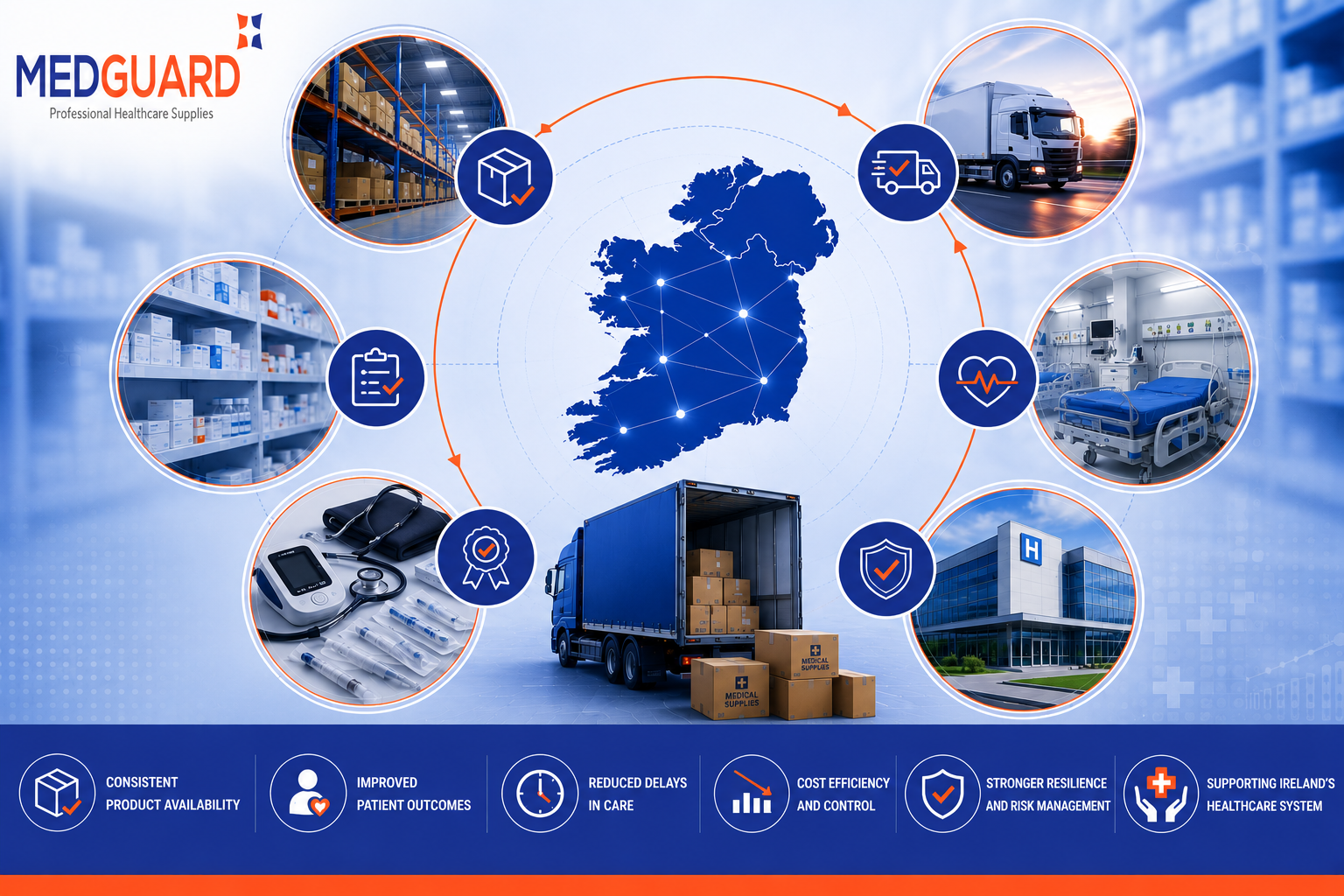
Healthcare facilities across Ireland are facing increasing pressure to manage operational costs while continuing to provide high-quality patient care. Hospitals, clinics, diagnostic centres, and healthcare providers depend heavily on reliable medical equipment, diagnostic tools, and healthcare supplies to maintain efficient clinical operations. However, rising procurement costs, supply chain disruptions, and growing healthcare demand are making purchasing decisions more complex than ever before.
As a result, many healthcare organisations are shifting away from short-term purchasing strategies and focusing more on long-term value through smarter medical procurement. Rather than selecting equipment based only on the lowest upfront price, healthcare providers are increasingly evaluating product durability, supplier reliability, maintenance requirements, and operational efficiency.
Smarter procurement strategies help healthcare facilities reduce long-term costs, improve equipment reliability, minimise operational disruptions, and support better patient outcomes. This long-term approach is becoming essential for maintaining financial sustainability within Ireland’s evolving healthcare sector.
Moving Beyond Short-Term Cost Reduction
Traditionally, healthcare procurement decisions often focused heavily on reducing immediate purchasing costs. While budget control remains important, many healthcare organisations now recognise that lower-cost products can sometimes lead to higher long-term operational expenses.
Poor-quality medical equipment may result in:
- Frequent repairs
- Reduced product lifespan
- Increased maintenance costs
- Equipment downtime
- Reduced clinical efficiency
These issues can create additional financial pressure and affect patient care quality.
Healthcare facilities are increasingly shifting toward value-based procurement strategies that consider total lifecycle costs rather than only the initial purchase price.
By focusing on long-term reliability and performance, healthcare organisations can improve operational efficiency and reduce avoidable expenses over time.
Prioritising Equipment Quality and Durability
Medical equipment plays a critical role in patient diagnosis, treatment, and monitoring. Reliable equipment supports accurate clinical assessments, faster workflows, and improved patient safety.
High-quality equipment typically offers:
- Greater durability
- Better clinical accuracy
- Reduced maintenance requirements
- Longer operational lifespan
- Improved reliability under daily usage
Durable medical equipment helps healthcare facilities reduce replacement frequency and minimise operational disruptions caused by equipment failures.
This is especially important in busy healthcare environments where clinical workflows depend on consistent equipment performance.
Irish healthcare providers are increasingly recognising that investing in dependable equipment often provides stronger long-term financial value compared to repeatedly replacing lower-quality products.
Strengthening Relationships with Trusted Suppliers
Supplier reliability has become another major factor in smarter healthcare procurement. Global supply chain disruptions in recent years demonstrated the risks associated with depending on unreliable suppliers or inconsistent sourcing networks.
Healthcare facilities are now prioritising suppliers that offer:
- Stable product availability
- Reliable delivery schedules
- Technical support
- Preventive maintenance services
- Product warranties
- Faster response during shortages
Long-term supplier partnerships help healthcare organisations improve procurement planning and reduce operational risks.
Trusted suppliers also support better inventory forecasting and more efficient procurement management, helping healthcare providers maintain stable healthcare operations.
Using Preventive Maintenance to Protect Investments
Preventive maintenance is an important strategy for improving long-term equipment value. Instead of waiting for equipment failures to occur, healthcare facilities are increasingly implementing scheduled servicing and maintenance programs.
Regular maintenance helps:
- Extend equipment lifespan
- Improve clinical reliability
- Reduce repair expenses
- Minimise operational downtime
- Maintain diagnostic accuracy
Preventive maintenance allows healthcare organisations to protect their equipment investments while reducing emergency repair and replacement costs.
This proactive approach also improves operational continuity and helps healthcare professionals work more efficiently.
Improving Procurement Planning and Inventory Management
Smarter procurement also involves better planning and inventory management. Many healthcare facilities are adopting digital procurement systems and inventory tracking technologies to improve purchasing accuracy and reduce unnecessary spending.
Effective inventory management helps healthcare providers:
- Monitor product usage
- Forecast future demand
- Prevent stock shortages
- Reduce over-ordering
- Improve purchasing efficiency
Data-driven procurement planning allows healthcare organisations to make more informed purchasing decisions while maintaining stable product availability.
This approach helps reduce emergency procurement costs and improves long-term financial management.
Investing in Technology That Supports Efficiency
Modern healthcare environments increasingly depend on advanced technologies and integrated diagnostic systems. Smarter procurement strategies involve selecting equipment that improves operational efficiency and supports future healthcare demands.
Advanced healthcare technologies can provide:
- Faster diagnostic capabilities
- Improved patient monitoring
- Better data accuracy
- Enhanced workflow integration
- Increased staff productivity
Although advanced systems may involve higher initial investment, they often contribute to long-term operational savings and improved healthcare performance.
Healthcare facilities are increasingly viewing technology investments as part of broader long-term operational planning rather than short-term procurement expenses.
Balancing Financial Sustainability with Patient Care
Healthcare organisations must carefully balance financial sustainability with the need to maintain high standards of patient care. Medical equipment directly affects diagnostic accuracy, treatment quality, patient safety, and healthcare efficiency.
Smarter procurement strategies help healthcare facilities:
- Improve operational reliability
- Reduce avoidable costs
- Maintain consistent healthcare services
- Support better patient outcomes
- Improve long-term budget management
By focusing on value, reliability, and efficiency, healthcare providers can create more sustainable procurement systems that support both financial goals and patient care standards.
This balanced approach is becoming increasingly important as healthcare demands continue growing across Ireland.
Conclusion
Irish healthcare facilities are increasingly improving long-term value through smarter medical procurement strategies that prioritise reliability, durability, supplier support, and operational efficiency. Rather than focusing solely on reducing upfront purchasing costs, healthcare organisations are taking a more strategic approach to equipment management and procurement planning.
By investing in high-quality equipment, strengthening supplier relationships, improving inventory management, and implementing preventive maintenance programs, healthcare providers can reduce operational risks while maintaining efficient healthcare services.
As Ireland’s healthcare sector continues evolving, smarter procurement will remain essential for helping healthcare facilities achieve financial sustainability while delivering safe, reliable, and high-quality patient care.
Original Source : https://znnews.online/balancing-cost-quality-and-availability-in-medical-supply-chains-in-ireland/