
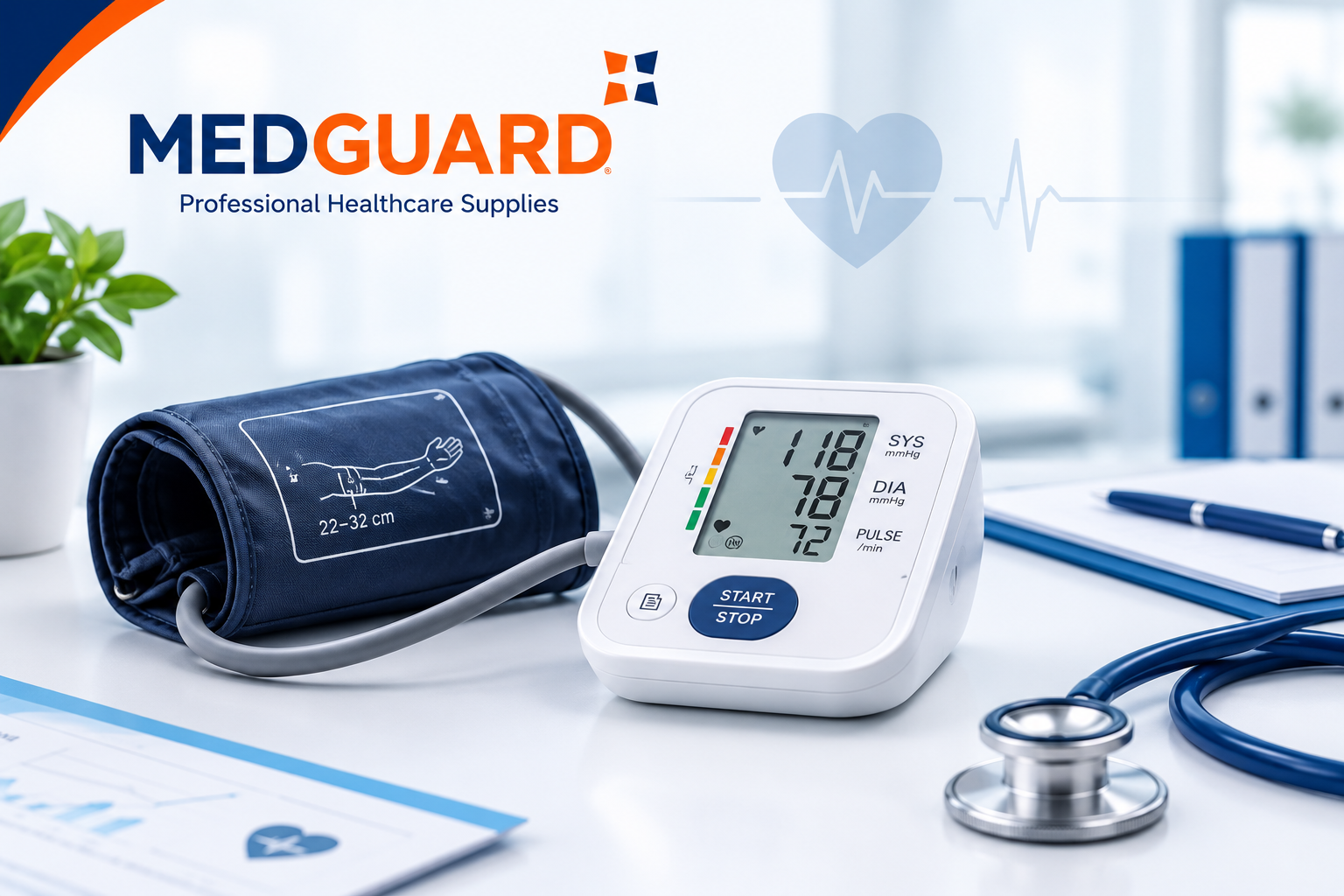
Digital blood pressure monitors have made it easier for people to check and record their blood pressure at home. With so many models available, however, choosing the right one can be confusing. Some monitors offer large displays and simple controls, while others include memory storage, multiple user profiles and additional indicators.
But which features are actually worth paying for?
When choosing a digital blood pressure monitor, it is better to focus on reliability, ease of use and features that support regular monitoring rather than simply choosing the model with the longest list of specifications.
What Is a Digital Blood Pressure Monitor?
A digital blood pressure monitor is an electronic device that automatically measures blood pressure and displays the result on a screen.
Unlike traditional manual blood pressure equipment, many digital models inflate the cuff and calculate the reading automatically. This makes them particularly convenient for people who want to monitor their blood pressure at home without assistance.
Most home-use digital monitors measure two main values: systolic blood pressure and diastolic blood pressure. Some models also display pulse rate and provide additional information about the measurement.
1. An Easy-to-Read Display
One of the simplest features worth considering is a clear display.
Large numbers and a well-organised screen can make it easier to read your blood pressure readings, particularly for older adults or people who have difficulty seeing small text.
A monitor does not need an elaborate screen to be useful. What matters is that the essential information is easy to understand at a glance.
2. Memory Storage
If you regularly monitor your blood pressure, memory storage can be a very useful feature.
Rather than writing every reading down immediately, a monitor with built-in memory can store previous measurements. This can make it easier to review your results and identify patterns over time.
Some models allow separate profiles for different users, which can be useful in households where more than one person uses the same device.
However, memory should be viewed as a convenience feature rather than a replacement for keeping records when your GP has asked you to document your readings.
3. Multiple User Profiles
For individual use, multiple user profiles may not be necessary. For couples or families sharing one blood pressure monitor, they can be more practical.
A separate profile can help keep each person's readings organised and reduce confusion when reviewing previous measurements.
Before paying extra for this feature, consider whether more than one person will actually use the monitor.
4. An Appropriate Cuff
The cuff is arguably more important than many of the electronic features available on a monitor.
A digital blood pressure monitor should come with a cuff suitable for the user's arm circumference. An incorrectly sized cuff can affect the measurement, so always check the manufacturer's recommended size range before buying.
If you need a different cuff size, check whether compatible replacement or alternative cuffs are available.
5. Irregular Heartbeat Detection
Some digital blood pressure monitors include an irregular heartbeat indicator. This feature can alert the user when the monitor detects an irregular pulse pattern during a measurement.
It can be a useful additional feature, but it should not be treated as a diagnosis. If the monitor repeatedly indicates an irregular heartbeat or you have concerns about your pulse, discuss this with your GP or another healthcare professional.
6. Automatic Inflation
Automatic inflation is one of the main reasons digital monitors are convenient for home use.
With an automatic model, the cuff inflates at the press of a button and the monitor takes the measurement electronically. This reduces the amount of manual work required and can make routine monitoring easier.
For many people, particularly those monitoring regularly, this is a feature worth having.
7. Clinically Validated Performance
Extra features are useful, but they should never take priority over the reliability of the monitor itself.
When choosing a blood pressure monitor in Ireland, look for a device that has been appropriately tested or clinically validated. Independent validation can provide greater confidence that the monitor has been assessed against recognised standards.
A monitor with Bluetooth connectivity and a colour screen is not necessarily a better choice than a simpler device if its measurement performance is not properly supported.
8. Smartphone Connectivity
Some modern blood pressure monitors can connect to a smartphone or another device, allowing readings to be transferred to an app.
This can be useful for people who like to keep digital health records or review measurements over a longer period.
However, it is an optional convenience rather than an essential feature for everyone. If you prefer keeping a simple written record, you may not need to pay extra for Bluetooth or app connectivity.
Which Features Are Worth Paying More For?
Not every additional feature offers the same value.
For most people buying a blood pressure monitor for home use, prioritise:
- A suitable cuff size
- Reliable and validated measurement performance
- Simple operation
- A clear display
- Automatic inflation
- Useful memory storage
- Good manufacturer instructions
Features such as smartphone connectivity, advanced apps and multiple user profiles may be worthwhile if they match your personal requirements.
The best digital blood pressure monitor is not necessarily the one with the most technology. It is the one that is reliable, suitable for the user and straightforward enough to use consistently.
Choosing a Digital Blood Pressure Monitor in Ireland
When shopping for a blood pressure monitor Ireland customers can use at home, consider the practical requirements first.
Think about who will use the device, how frequently it will be used, the required cuff size and which features would genuinely make monitoring easier.
Buying from an established healthcare supplier can also make it easier to compare specifications and find compatible accessories if required. Medguard Healthcare provides a range of healthcare products for home and professional use, supporting customers with equipment for everyday health monitoring.
Final Thoughts
Digital blood pressure monitors can make home monitoring simple and convenient, but paying more does not automatically mean getting a better device.
Focus first on measurement reliability, appropriate cuff size and ease of use. Memory, multiple user profiles and irregular heartbeat detection can provide additional value, while smartphone connectivity is useful for those who prefer digital record keeping.
Before buying, consider which features you will actually use. A straightforward, suitable monitor that you can use consistently may be more valuable than a more expensive model packed with features you do not need.
Original Source :https://pdplex.blog/buying-a-blood-pressure-monitor-in-ireland-7-things-to-check-before-you-choose/