
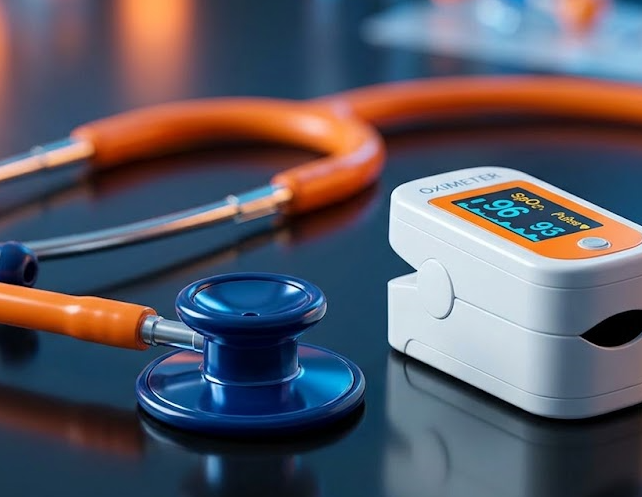
Selecting the right medical diagnostic tools is an important decision for healthcare professionals and medical facilities. Diagnostic equipment directly affects examination quality, clinical efficiency, and patient outcomes. While healthcare providers often consider budget limitations, focusing only on cost can lead to long-term operational and clinical challenges.
Balancing affordability, durability, and diagnostic accuracy is essential for ensuring reliable healthcare delivery and long-term value.
Why Diagnostic Tool Selection Matters
Medical diagnostic equipment is used daily across hospitals, clinics, and healthcare practices. Devices such as stethoscopes, blood pressure monitors, thermometers, and examination tools help clinicians evaluate patient conditions and make informed treatment decisions.
Choosing high-quality diagnostic tools can help healthcare providers:
- Improve examination accuracy
- Reduce diagnostic errors
- Support faster clinical decisions
- Minimize equipment downtime
- Enhance patient care quality
- Lower long-term replacement costs
Reliable equipment plays a major role in maintaining efficient healthcare operations and improving patient confidence.
The Risk of Choosing Equipment Based Only on Cost
Budget considerations are important for healthcare organizations, but low-cost medical equipment may not always provide dependable long-term performance. Poor-quality tools can experience faster wear and tear, inconsistent readings, and increased maintenance requirements.
Low-cost equipment may lead to:
- Reduced diagnostic accuracy
- Frequent equipment replacement
- Higher maintenance expenses
- Workflow disruptions
- Delayed patient assessments
In many cases, investing in durable and accurate equipment can provide better long-term value than repeatedly replacing lower-quality devices.
The Importance of Durability in Healthcare Environments
Healthcare professionals work in demanding environments where diagnostic tools are used continuously throughout the day. Equipment durability is essential for maintaining consistent performance and minimizing operational interruptions.
Healthcare providers should look for diagnostic tools with:
- Strong construction materials
- Reliable internal components
- Resistance to daily wear and tear
- Easy maintenance and cleaning
- Long product lifespan
Durable equipment helps healthcare facilities improve efficiency while reducing downtime caused by malfunctioning devices.
Accuracy and Clinical Confidence
Diagnostic accuracy is one of the most important factors when selecting medical equipment. Inaccurate readings or unclear examination results can affect patient safety and clinical decision-making.
High-performance examination tools support:
- Clearer patient assessments
- Faster identification of abnormalities
- Improved diagnostic confidence
- Better patient monitoring
- More effective treatment planning
Many healthcare professionals rely on 3M Littmann Stethoscopes because of their advanced acoustic performance, durability, and trusted clinical reliability. High-quality stethoscopes help clinicians conduct more accurate examinations while supporting long-term daily use.
Balancing Short-Term Budget and Long-Term Value
Healthcare facilities must often balance financial planning with operational performance. While premium diagnostic tools may require a higher initial investment, they can offer greater value over time through improved reliability and reduced maintenance costs.
Long-term value considerations include:
- Equipment lifespan
- Frequency of repairs
- Replacement costs
- Examination consistency
- Staff efficiency
- Patient satisfaction
Healthcare organizations that prioritize long-term performance often benefit from lower operational disruptions and more dependable clinical workflows.
Working with Trusted Medical Suppliers
Selecting equipment from reputable suppliers can help healthcare providers maintain consistent quality and reliability standards.
Trusted suppliers such as Medguard Healthcare provide healthcare professionals with access to dependable diagnostic equipment designed to meet the demands of modern healthcare environments.
Reliable suppliers also help ensure access to product support, maintenance guidance, and durable medical solutions.
Conclusion
Balancing cost, durability, and accuracy is essential when selecting medical diagnostic tools. Healthcare providers must consider both immediate budget requirements and the long-term impact equipment quality can have on patient care and operational efficiency.
Investing in reliable diagnostic equipment helps healthcare professionals deliver accurate assessments, improve workflow performance, and maintain high standards of patient care across modern healthcare settings.
Original Source : https://technonguide.com/stethoscope-quality-affect-diagnosis-ireland/